
Your first look lasts a few seconds. Your parent’s reaction during the ceremony may happen even faster. Knowing how to coordinate photo and video means neither moment has to be interrupted, repeated, or missed because one team was standing in the other’s frame.
For couples, this coordination is not about turning the wedding into a production. It is about protecting the feeling of the day. When photo and video work with a shared plan, you can stay present with your people while your visual team quietly preserves the laughter, nerves, happy tears, and energy that made the celebration yours.
Start With One Shared Vision
Photography freezes a meaningful instant. Cinematography preserves the movement, voices, music, and atmosphere around it. They are different crafts, but they should tell the same honest story.
Before the wedding, share what matters most to you with both teams. Maybe you care deeply about your grandmother’s embrace, an emotional first look with your father, the full sound of your vows, or the joyful chaos of a packed dance floor. A few favorite images from a mood board can help communicate visual style, but personal priorities are even more valuable. Tell your team what you want to feel when you look back.
It also helps to be clear about the balance you prefer. Some couples want generous time for editorial-style portraits at a beautiful venue. Others want as little posed coverage as possible, with the day unfolding naturally around them. Neither choice is wrong. The right approach is the one that reflects your relationship and leaves you enough room to enjoy your wedding.
If you book photography and video through one studio, this conversation can happen in one place. A team that regularly works together already understands each other’s rhythm, sightlines, and timing. If you are hiring separate vendors, ask early how they plan to communicate before and during the day.
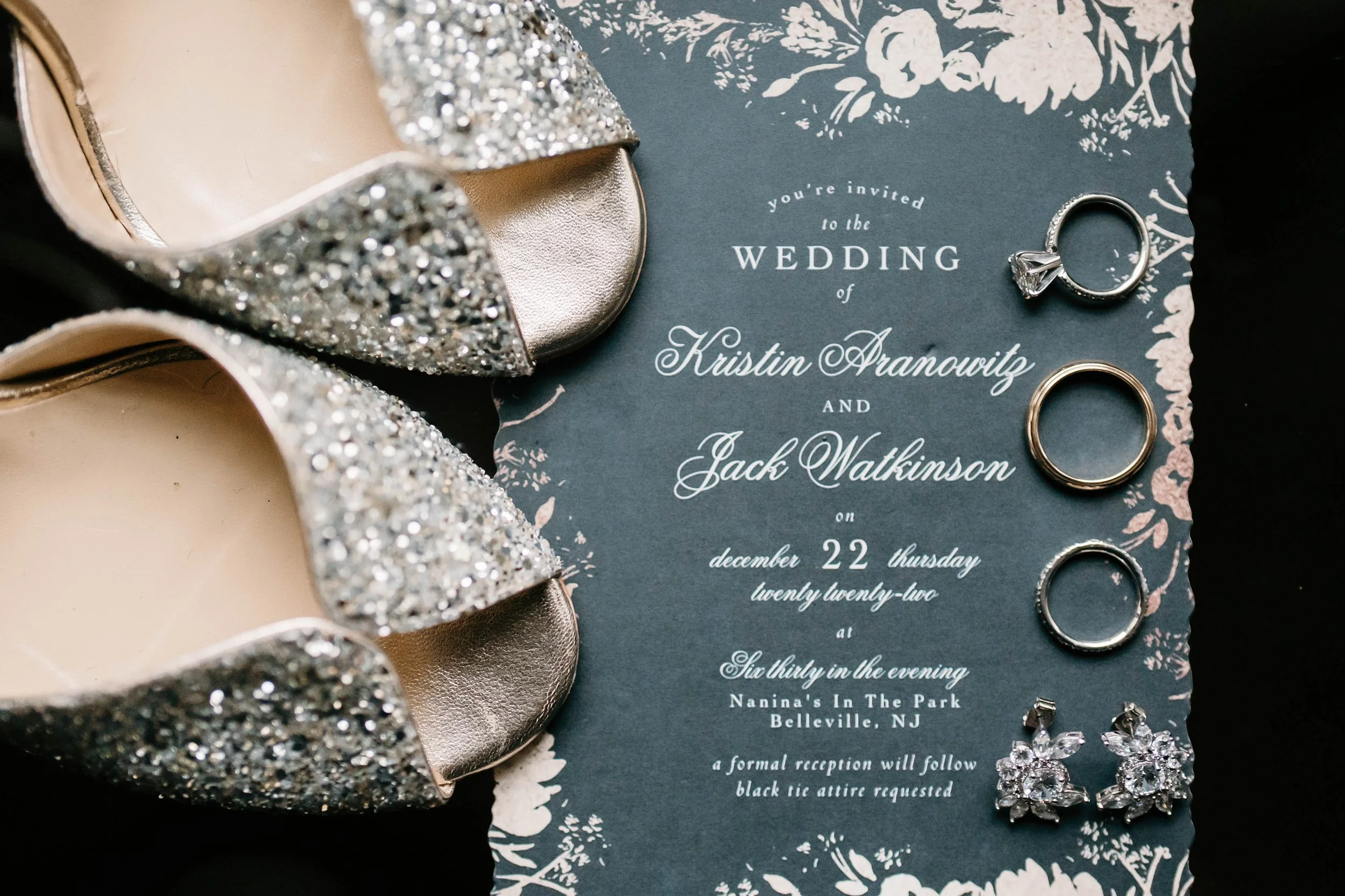
Build a Timeline That Leaves Breathing Room
The most common source of stress is not the camera. It is a timeline with no margin for a late car, a crowded lobby, a missing boutonniere, or the simple reality that people need a moment to breathe.
Ask your photographer and cinematographer to review the timeline alongside your planner, coordinator, or venue contact. They do not need to control every minute, but they should understand the flow of the day: getting ready, travel, first look, portraits, ceremony, family formals, reception entrances, speeches, and any cultural traditions that need thoughtful coverage.
For photo and video, the key is allowing enough time for transitions. Walking from a bridal suite to the ceremony site may take five minutes on paper and fifteen minutes in real life once family members stop to say hello. A little cushion lets your team capture natural in-between moments instead of rushing you from one location to the next.
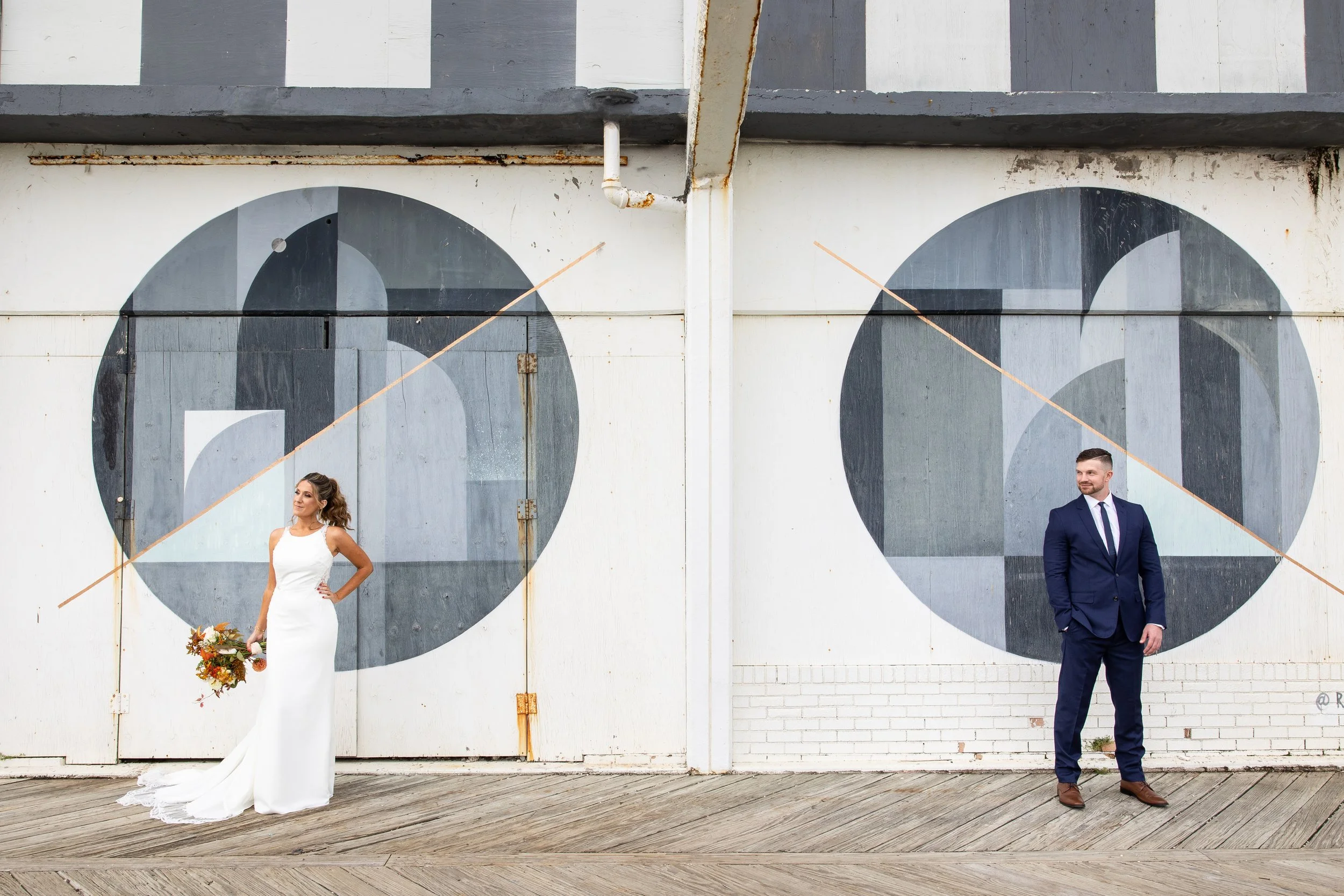
Decide Whether a First Look Fits Your Day
A first look can give couples more portrait time before the ceremony and can make the post-ceremony schedule feel more relaxed. It also creates an intimate moment where photo and video can work from complementary angles without an audience nearby.
But it is not required. If seeing each other for the first time during the ceremony feels meaningful to you, honor that. Your visual team can build the coverage around it. The trade-off is usually a tighter portrait window after the ceremony, especially during seasons when daylight fades early. A strong plan accounts for that without making you feel pulled away from cocktail hour longer than you want to be.
Let Photo and Video Share the Important Moments
The best coordination is almost invisible. During a first look, for example, one artist may focus on the wide scene and the setting while another stays close enough to catch the expression on your face. During vows, video needs clean audio and a respectful position, while photography needs a clear view of the exchange of rings and reactions in the first rows.
This does not mean every shot must be planned in advance. Wedding days are alive, and some of the most breathtaking moments cannot be scheduled. It means each team understands the essential beats and gives the other space to do their work.
A thoughtful photo and video team will avoid competing for the same position whenever possible. They will also move with purpose. Couples should not feel surrounded or constantly asked to repeat a hug, a laugh, or a meaningful reaction. Sometimes a small adjustment is worthwhile for a portrait. But genuine emotion is strongest when it is allowed to happen once, naturally.
Protect Ceremony Audio and Sightlines
Your ceremony is one of the few times when the visual team has limited control over the environment. Guests may lean into the aisle with phones, sunlight may shift suddenly, and an officiant may stand closer to one partner than expected. Preparation helps, but respectful flexibility matters just as much.
Video coverage depends on clear audio, especially for vows, readings, and speeches. Let your officiant know that a professional audio setup may be used, and ask whether there are any venue or ceremony restrictions. This small conversation can prevent surprises just before you walk down the aisle.
For photography, consider asking guests to remain in their seats and enjoy the ceremony without stepping into the aisle. You do not need a strict phone-free policy if it does not suit your crowd. Even a gentle request to keep the aisle clear gives everyone a better view and helps preserve the ceremony without distractions in the background.
Plan Portraits Around Light, Not Just Locations
A grand staircase, waterfront view, garden path, or elegant ballroom can all be beautiful backdrops. Yet light often matters more than the location itself. The soft light near sunset can create a romantic portrait session that feels calm and cinematic, even if it lasts only ten or fifteen minutes.
Talk through a brief sunset portrait window with your photo and video team. You may step away from the reception just after dinner or between formalities, then return before the energy on the dance floor builds. This is not a rule. In winter, sunset may arrive before your ceremony ends; in summer, it may be later than your reception schedule allows. Your team can adapt the plan to the season and the rhythm of your celebration.
The goal is not to spend your whole wedding posing. It is to create a few intentional pauses where you can be together, take in the day, and let your visual team make something artful from that quiet space.
Give Family Photos a Clear Plan
Family formals are meaningful, but they can become one of the slower parts of a wedding day when no one knows where to stand or who is needed next. A concise list is kinder to your families and gives photo and video a chance to stay on schedule.
Choose the groupings that truly matter, then assign a relative or trusted friend who knows the family to help gather people. Keep the list focused on immediate family and the combinations you will treasure years from now. Larger extended-family photos can be wonderful, but they need realistic time built into the schedule.
Video may capture the movement and emotion around formal portraits while photography leads the groupings. This is a good example of teams working in parallel instead of asking you to perform for both cameras at once.
Make Room for Reception Moments That Matter
Once the reception begins, couples often assume the formal coverage is over. In reality, this is where your story becomes more personal and spontaneous. Toasts bring out stories you may have never heard. Parents and grandparents often show a different kind of emotion during dances. Friends become fully themselves once the music starts.
Share the reception events you care about most, including any surprise performance, cultural dance, anniversary dance, outfit change, or private last dance. Your team cannot anticipate every surprise, but a heads-up helps them be in the right place without hovering.
If speeches are important to you, ask your DJ or band to let the visual team know before they begin. A few seconds of notice can make a real difference for camera placement and audio. The same goes for cake cutting, special dances, and an exit. These moments move quickly, and coordination behind the scenes lets you stay in the moment.
Trust the Team You Chose
A carefully planned wedding still has unscripted moments. Rain may change the portrait location. A delayed ceremony may shorten daylight. A flower girl may decide halfway down the aisle that she would rather turn around. Those are not failures of the plan. They are part of the story.
At Breathe Artistic, we believe the strongest wedding imagery comes from a calm presence, patient preparation, and genuine attention to the people in front of us. Once you have shared your priorities and built a thoughtful timeline, give yourself permission to let the day unfold. The photos and film should bring you back to how it all felt, not remind you of how hard you worked to make every moment look perfect.