
How to Feel Comfortable in Wedding Photos
The quietest worry couples share is often not about the first dance or the weather. It is this: “What if we look awkward in every picture?” Learning how to feel comfortable in wedding photos is less about knowing how to pose and more about having space to be yourselves. The most meaningful images rarely come from holding a perfect expression. They come from the quick glance after your vows, the hand squeeze during a toast, and the laugh that arrives when you stop trying to perform.
A calm, attentive photo and video team can make a real difference, but comfort begins before the wedding day. A few thoughtful choices can help you step in front of the camera feeling present, connected, and ready to enjoy your celebration.
Choose a Team You Can Relax Around
Beautiful work matters, but so does the feeling you have when you speak with the people creating it. Look beyond a gallery of polished portraits. During a consultation, pay attention to whether the photographer or cinematographer listens closely, answers questions with patience, and explains their process in a way that makes sense to you.
You should not feel like you have to become a model for the day. The right team will give clear, simple direction when it is useful, then step back when a natural moment is unfolding. They will know when to adjust a hand, guide you toward better light, or give you a moment alone with your partner without filling every second with instructions.
If you are booking photography and cinematography together, choosing one coordinated team can also reduce the number of moving parts around you. Your photo and video coverage should work in harmony, not compete for your attention or pull you in separate directions.
Tell Them What Makes You Nervous
There is no prize for pretending you love being photographed when you do not. Share what is on your mind. Maybe you dislike close-up photos, feel self-conscious about your smile, worry you will not know where to put your hands, or simply hate being the center of attention.
A professional team can work with that information. They may suggest more movement-based prompts rather than still poses, keep formal portraits efficient, or make sure there is extra breathing room in the timeline. The goal is not to hide who you are. It is to create an environment where you do not feel watched.
Practice Being Together, Not Posing
An engagement session can be helpful if you want a low-pressure introduction to being photographed as a couple. It lets you see how little direction you may actually need once you settle in. You also get to know the rhythm of your photographer: when they step in with guidance and when they simply let the moment happen.
But a session is not required to have natural wedding photos. If you prefer not to do one, practice a few easy things together instead. Take a slow walk while holding hands. Stand close enough that your shoulders touch. Look at each other before looking at the camera. Recall a funny story from early in your relationship. These are not tricks. They are small ways to shift your attention back to the person you are marrying.
Avoid memorizing a long list of social media poses. They can make you think too hard about every angle and expression. A strong photographer will shape the composition. Your job is to stay close, breathe, and respond to each other.
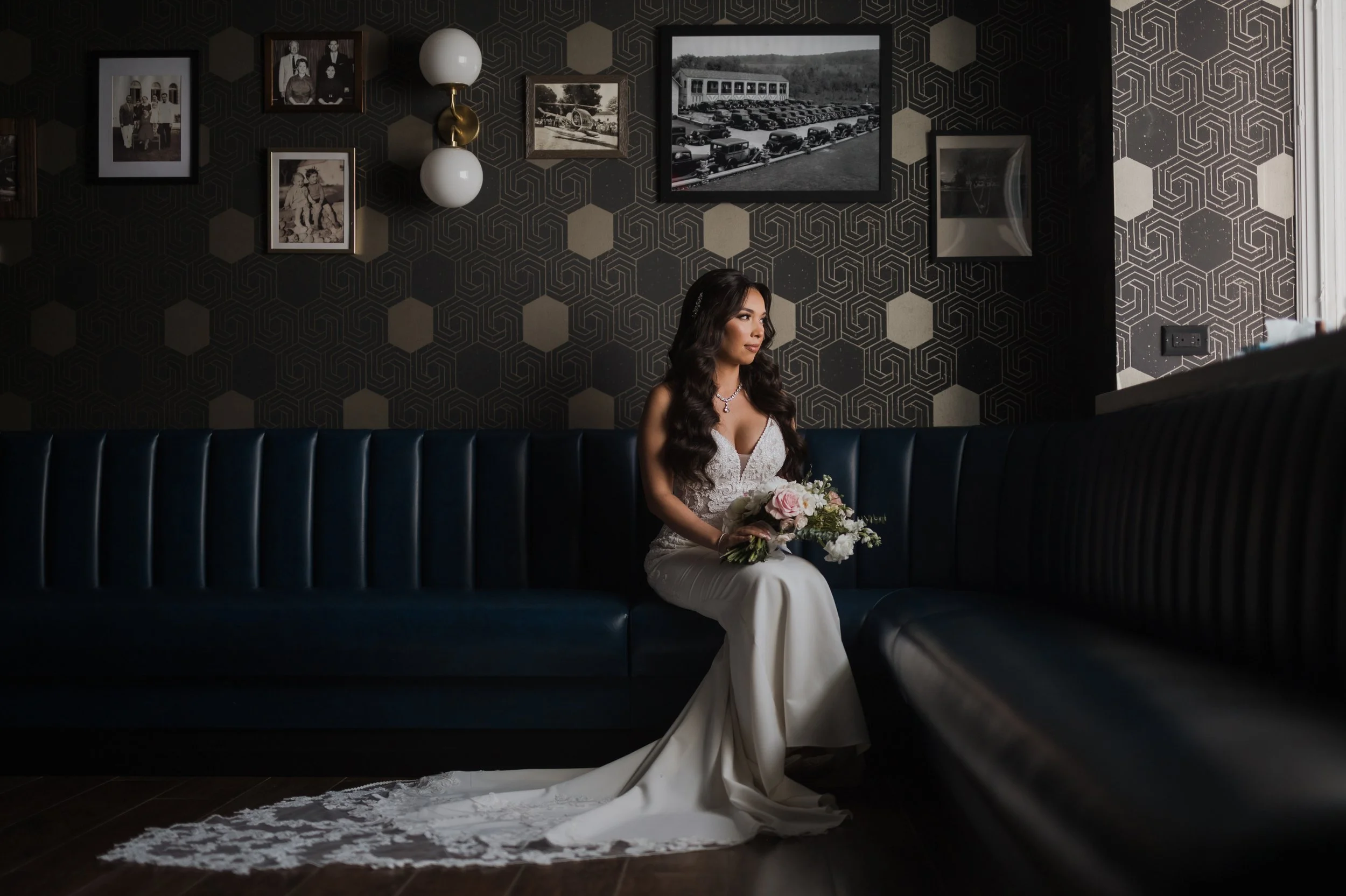
Build a Wedding Timeline With Room to Breathe
Feeling rushed is one of the fastest ways to look tense. Wedding days have a natural energy, but a timeline packed down to the minute leaves little room for a delayed button, an emotional parent, traffic, or the simple need to take a breath.
Talk with your planner, photographer, and videographer about allowing realistic time for getting ready, portraits, family photographs, travel, and a quiet pause after the ceremony. If you are having a first look, it can create a private moment before the day becomes full of guests and expectations. For some couples, that calm time makes portraits feel easier. For others, seeing each other at the ceremony is deeply important. Neither choice is better. The right choice is the one that feels most true to you.
You can also protect your comfort by keeping family photo combinations organized in advance. Give a short, specific list to a trusted family member who knows everyone. That person can help gather relatives while you stay focused on the moment instead of trying to coordinate a crowd.
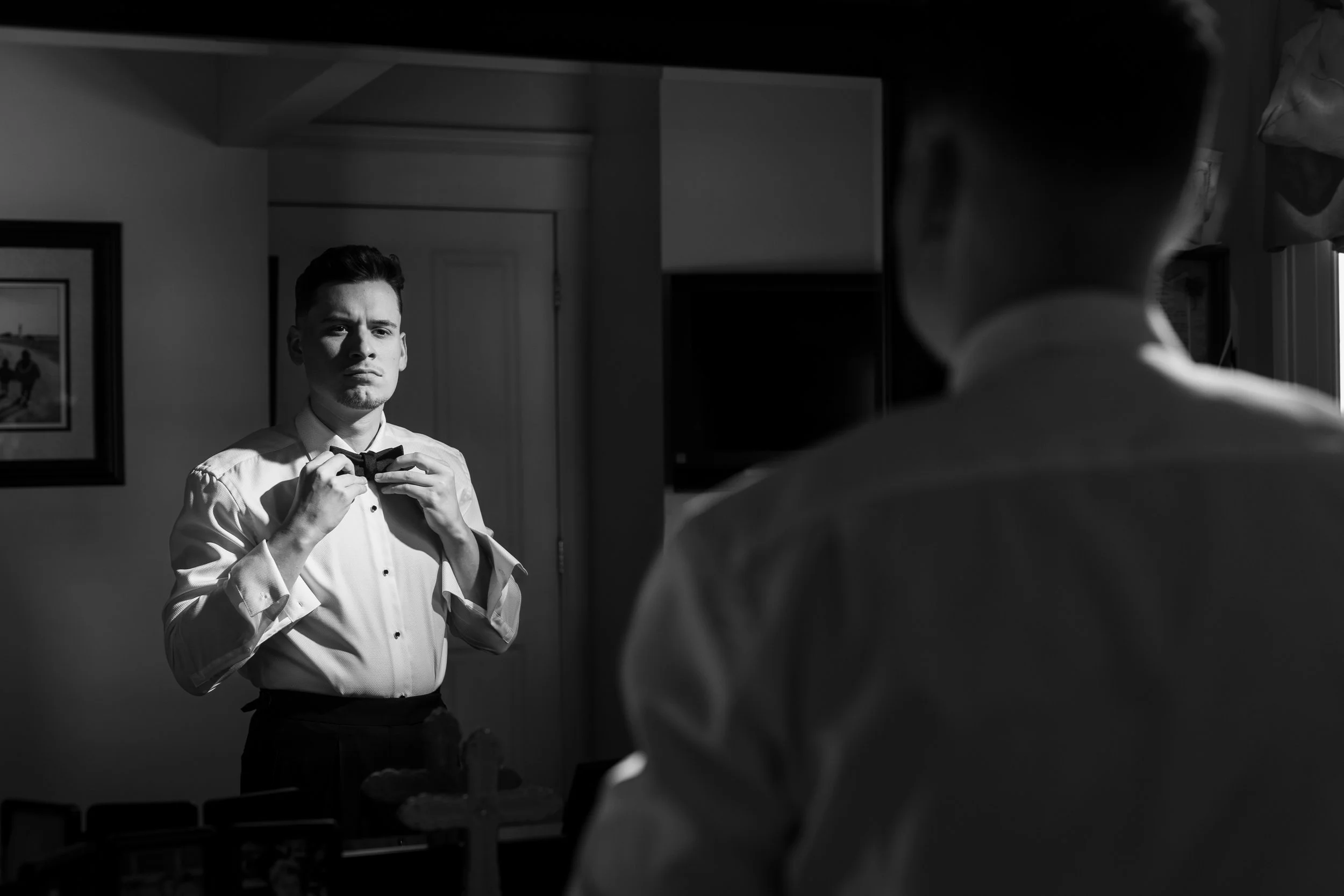
Wear What Lets You Move Naturally
Your wedding attire should feel extraordinary, but it still needs to let you sit, walk, hug, dance, and breathe. During fittings, test those movements. Raise your arms. Sit down. Take a few steps in your shoes. Practice bustling your dress if needed. If a jacket, veil, shapewear, or shoes are uncomfortable, you may not notice it at first, but your body will carry that tension through a long day.
This does not mean choosing only the easiest option. Some gowns are structured, some suits are tailored, and some shoes take a little getting used to. The trade-off is worth considering honestly. Choose the elements that matter most to your vision, then build comfort around them with alterations, backup footwear, or a second look for the reception.
Small details help, too. Eat a real meal, drink water, and keep touch-up essentials nearby. Looking comfortable on camera often starts with actually feeling cared for.
Let the Day Be Emotional
Many couples believe they need to look happy in every image. But a wedding holds more than one emotion. There may be anticipation while getting dressed, tears during a parent’s hug, nervous energy before the ceremony, joy on the dance floor, and a few quiet moments when the day finally feels real.
Do not fight those feelings for the camera. Let them happen. The photos that stay with you years later may not be the most posed ones. They may be the image of your partner taking a breath before the aisle, your grandparents watching the ceremony, or the two of you laughing because something went slightly off plan.
A camera does not have to interrupt a meaningful moment. With an unobtrusive team, it can simply preserve the heart and soul already present.
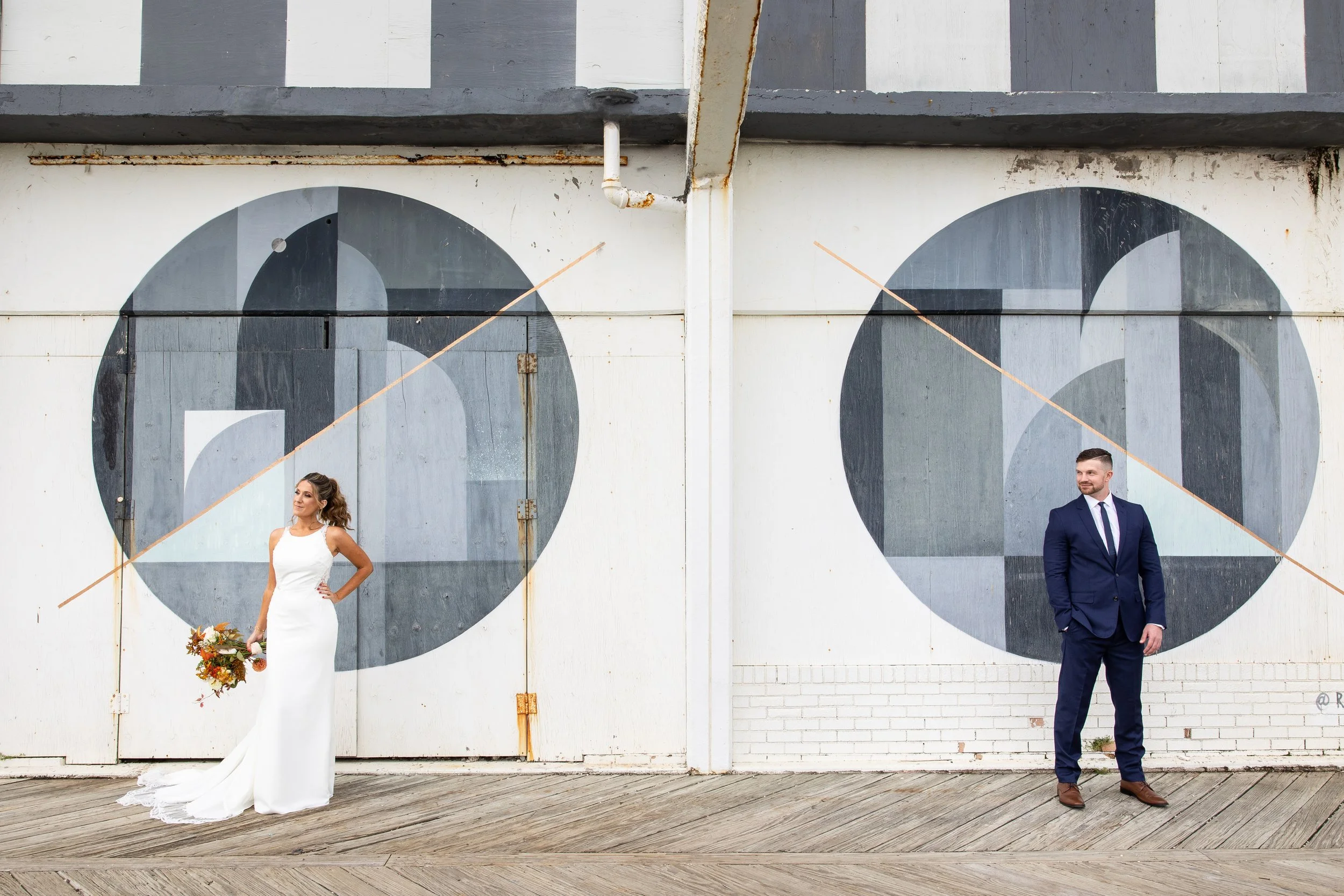
How to Feel Comfortable in Wedding Photos During Portraits
Portrait time is usually where couples feel the most pressure, especially if they worry about “doing it right.” Start by remembering that you do not need to fill every quiet second. It is okay to stand still, look at each other, or take a breath while your photographer adjusts the frame.
Simple physical connection helps. Hold hands, place a hand on your partner’s waist or arm, lean in, and keep your weight relaxed rather than locked into your knees. If a direction feels unnatural, say so. A good photographer can adapt quickly and offer another option that fits your body and your personality.
Try not to check every image on the back of the camera. A quick preview can reassure some people, but constant reviewing pulls you out of the experience and can make you more critical of yourself. Trust the process, especially after you have chosen a team whose work and approach you genuinely love.
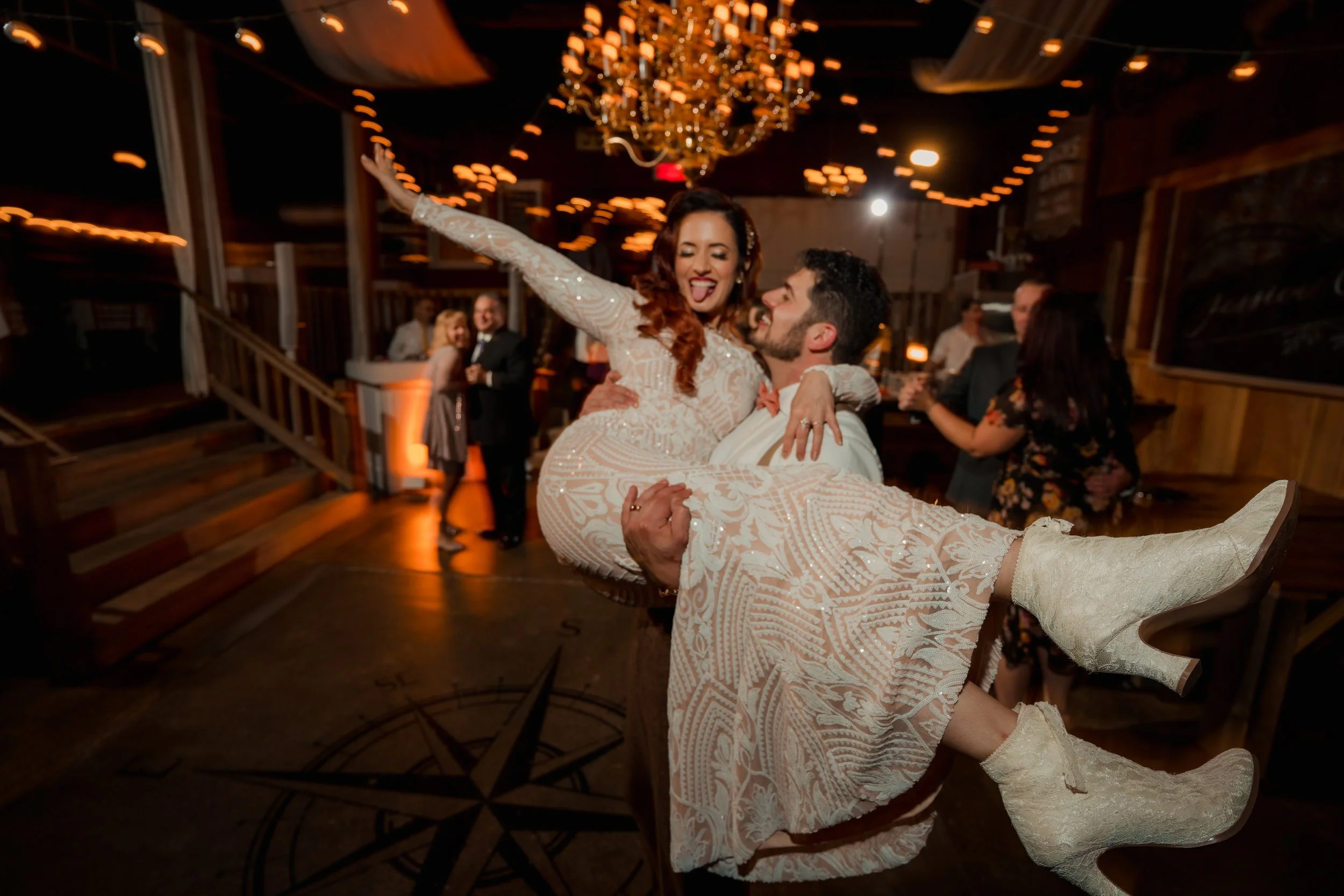
Give Yourselves Permission to Be Present
Your wedding is not a photo shoot with a ceremony attached. It is a day filled with people who care about you, promises you have chosen to make, and moments that cannot be recreated exactly. The best visual memories are built around that truth.
At Breathe Artistic, we have seen that couples relax most when they stop trying to create a perfect day and start allowing their real day to unfold. A little guidance, a patient presence, and room to laugh can turn camera nerves into something much softer.
When the camera appears, return to one simple thought: you are here with your person. Hold their hand, notice their face, and let the rest of the room fade for a moment. That comfort will show in ways no practiced pose ever could.